

Most of the advice about getting ready for a change in season focuses on the ground itself, which surface does what once it's wet, where lanes actually close and why. All real, and worth reading in our piece on the seasonal shift if you haven't already. This one's about the other half: your bike, your kit, and the way you actually ride once the season turns.
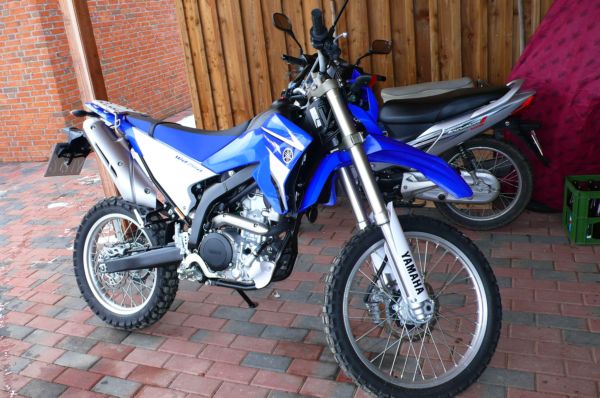
The bike
A summer of dry, dusty riding is genuinely easier on a bike than the season that follows it. Grit and dust get everywhere but don't hold moisture against metal the way autumn mud and standing water do, so the maintenance that actually matters shifts:
- Chain and drivetrain. Clean and re-lube more often once the ground's wet, a chain that would go two rides between attention in August often wants it every ride once it's picking up wet grit.
- A corrosion inhibitor, properly applied. Something like ACF-50 worked into connectors, fasteners, the underside of the tank, anywhere exposed, before the wet season really sets in, not after the first sign of surface rust. It's far easier to prevent than to undo.
- Air filter. Check it more often. Wet-season riding kicks up less dust but more standing water and mud spray, different problem, same filter.
- Brakes and pads. Wet mud and grit wear pads faster than dry dust does, and standing water changes how a brake actually bites on the first application. Worth a proper check, not just a glance.
- Suspension linkages and bearings. A quick grease now is a lot cheaper than a seized linkage found out on a lane in November.
Tyres get their own full piece already, worth reading if you haven't: Tyres for green laning: what the tread pattern actually tells you. The short version for the seasonal shift specifically is that a tread that coped fine on baked, dry ground can be genuinely marginal on the same lane a month later once it's wet and greasy, worth a proper look before the weather turns rather than after you're already caught out on it.
Your own kit
Layering that actually works matters more than any one piece of expensive kit. A base layer that manages sweat, something genuinely waterproof rather than just water-resistant on top, and gloves that still let you feel the levers properly when they're wet, a good dry-weather glove that turns numb and clumsy in the rain is a real safety issue, not just a comfort one. Boots that can handle standing in a proper puddle without soaking through by lunchtime, and a visor or goggles that won't fog the moment you slow down in cooler, wetter air, worth testing that specifically before you're relying on it mid-ride.
How you actually ride
This is the part that's easy to skip and the one that probably matters most. The riding style that works on baked, predictable summer ground doesn't transfer cleanly once the season turns:
- Smoother inputs, full stop. Throttle, brakes, steering, all of it. Reduced grip punishes sharp inputs far more than it punishes going slightly slower.
- Read further ahead. A rut or a hole that was obvious on dry, bare ground can be sitting under standing water or a skin of mud with no visible warning. You need to be reading the lane further ahead than you did in summer, not reacting to what's directly under the front wheel.
- Expect the ground to have changed since last time. The exact point we made about baked ruts in the seasonal piece applies in reverse once the rain's properly set in, ground that was firm and predictable a few weeks ago can be genuinely different terrain now, not the same lane with a bit more water on it.
- Build in more margin. Slower into anything you can't see the bottom of, more space to the rider in front, a lower ceiling on what "confident" actually means until you've re-learned how the ground's behaving this season.
None of this is about being cautious for its own sake, it's the same logic behind why some lanes carry a genuine seasonal closure in the first place, wet ground behaves differently and punishes the same mistakes harder. Check a lane's current legal status and closure flag before you go, not just once a season, every time, using Holloway's map and its one-tap Legal Status Search.
This is reference information, not a substitute for your own judgement on the day. Conditions on a specific lane can be worse than the general seasonal picture suggests, and the only way to know for certain is to check current status and, where you can, local reports before you commit to a route.
Holloway's free to browse, every legal green lane in England and Wales with its classification, difficulty, hazards and current status. Holloway Premium adds route planning, GPX export and live weather for £20 a year, worth it specifically for the kind of planning this piece is about, knowing what you're actually riding into before you leave the house.