

Before anyone asks which lane to ride first, they ask the other question: what is this actually going to cost me. Most green laning content skips straight past it, so here's a straight answer, with real numbers where numbers exist, and an honest "it depends" where it genuinely does.
The bike
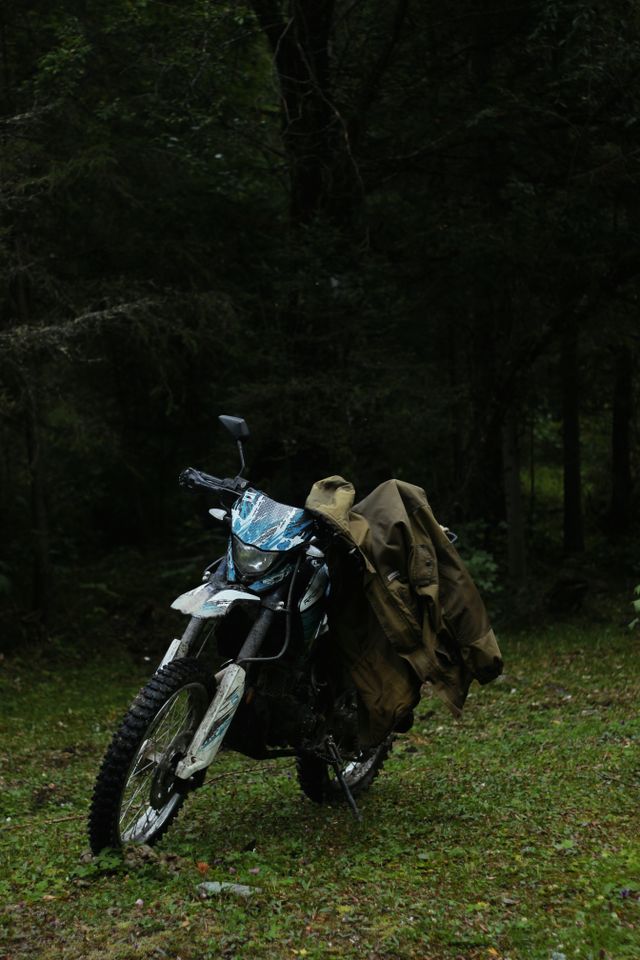
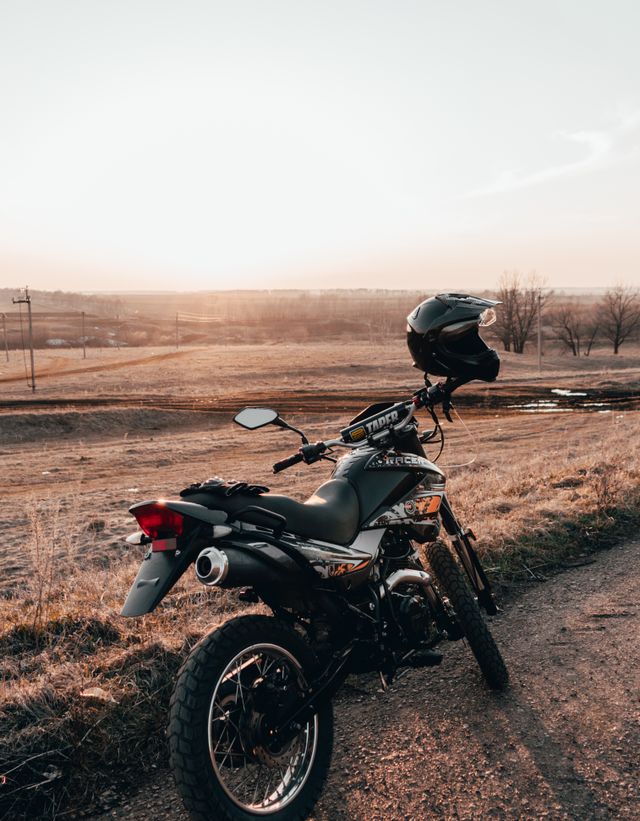
This is the biggest, most variable cost, and also the one where "it depends" is doing the most work. If you already ride an adventure bike or a road-legal trail bike, you may already own something capable enough to start on easier lanes. If you're buying specifically for it, a used, trail-capable bike typically runs somewhere from around £1,500 for an older, smaller-capacity trail bike up to £4,000 or more for a newer adventure or enduro machine, and that range moves a lot with condition, mileage and model. What actually matters when choosing your first bike has more detail than a price tag alone, weight and seat height tend to matter more to a beginner than horsepower does.
One real running cost worth budgeting for properly rather than assuming: tax, MOT and insurance apply to a legal green lane exactly as they do to any road, see do you need tax, MOT and insurance to ride a legal green lane for the full answer, including how to actually check your own policy rather than assume it.
Kit
A helmet, boots, gloves and armoured jacket and trousers aren't optional, and buying them secondhand or from a previous season's range is a completely normal way to keep this cost down without cutting a genuine safety corner. The honest kit list breaks down what you actually need for a day out versus what's nice to have later.
Membership: the cost that surprises people
This is the one newcomers most often miss entirely. The Trail Riders Fellowship and GLASS are the two main access and advocacy bodies working to keep green lanes legally open, and membership currently runs at roughly £58 a year for the TRF and £59 a year for GLASS. Neither is required to ride a legal lane. Both exist specifically because access keeps shrinking without organisations fighting to keep it, and whether the TRF is worth it is worth reading properly rather than treating as an afterthought once you've already spent everything on the bike.
Finding lanes and planning routes
Holloway is free to browse, no account needed: every legal green lane in England and Wales, its classification, difficulty, hazards, and a Legal Status Search built into each one. For £20 a year, Holloway Premium adds route planning with road-following connectors, GPX export, exact coordinates, live weather and live navigation, everything you'd otherwise be piecing together from an OS map, a council PDF and a forum thread.
"People budget for the bike and the kit and then get blindsided by the membership fee, or they skip the membership entirely because nobody told them it existed. Both mistakes are avoidable if someone just lays the actual numbers out up front, which is all this post is trying to do."
- Mat Stuckey, founder of Holloway
What you actually need on day one
You don't need all of this before your first ride. In rough priority order: proper kit first, since that's the genuine safety line, then a suitable bike, then enough map access to find and check a legal lane, which Holloway gives you for free with no account. Membership and paid route planning are both things you can add once you know you're going to keep doing this, not prerequisites for finding out.
Whatever you spend, none of it replaces checking a lane's current legal status before you ride it. That part stays free everywhere, always will.
Holloway is a free green lane finder, BOAT map and route navigation tool for England and Wales, and browsing it costs nothing and needs no account. When you're ready to plan a full day and take it offline, Holloway Premium is £20 a year, and £1 from every membership goes toward keeping lanes open and maintained.